

28 August 2026
Kyrgyzstan is actively developing the transport industry
Kyrgyzstan is actively developing its transport industry and is becoming a key transit hub in Central Asia. The global economy is being reshaped, and old routes are becoming a thing of the past. According to the forecasts of the Eurasian Development Bank, by 2030 the volume of international traffic through Central Asia will grow by almost 50%. For Kyrgyzstan, this is a chance to make the most of its geographical location and become a key logistics hub in the region. Exactly how the republic will do this and what agreements have already been reached became clear at the recent Kyrgyz-Russian Economic Forum in Issyk-Kul. More than a thousand participants gathered, and video messages were sent by Sadyr Japarov and Vladimir Putin.
Russia remains a strategic partner of Kyrgyzstan. In 2025 alone, the mutual trade turnover increased by 26%, exceeding $ 5 billion. The Russian-Kyrgyz Development Fund (RCDF) has already financed about 4,000 joint projects worth over $1 billion.
Kyrgyzstan has begun to build new roads. In July, the Balykchy—Kochkor branch was opened. The next step is the section to Kara Keche and Makmala, which will connect coal deposits with industrial centers and connect the north and south of the country. And the plans include a grandiose ring railway around Issyk-Kul. The growth of transportation and new routes require not only rails, but also modern "stuffing". This is where Russian technology comes to the rescue.The key event in the modernization of the fleet was the introduction of the on-board locomotive safety system developed by Transtelesoft (part of Transmashholding).
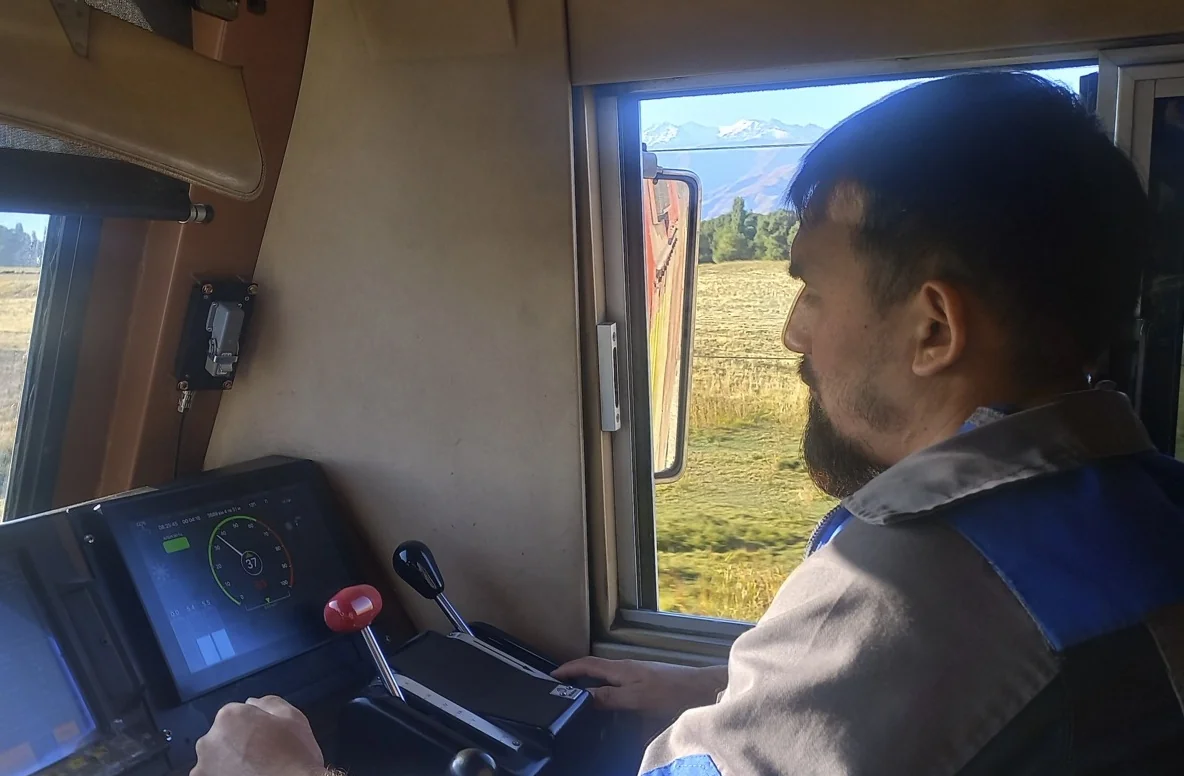
Kyrgyz freight and passenger locomotives are already equipped with the system.The safety system used on these locomotives earlier had only a cargo mode of use with prescribed speeds in the electronic map, as a result of which locomotives with passenger trains could not realize higher speeds. The On-board system has the ability to switch driving modes, which immediately had the effect of reducing the delay time of passenger trains that were previously available.
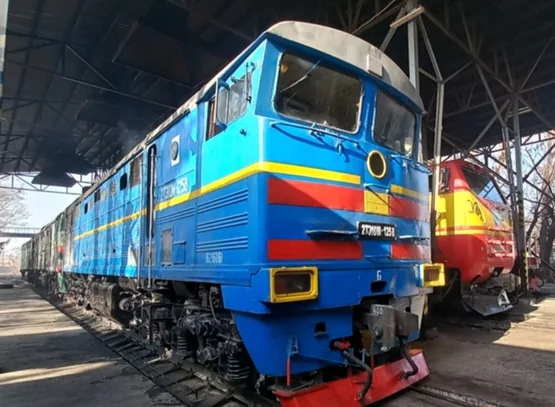
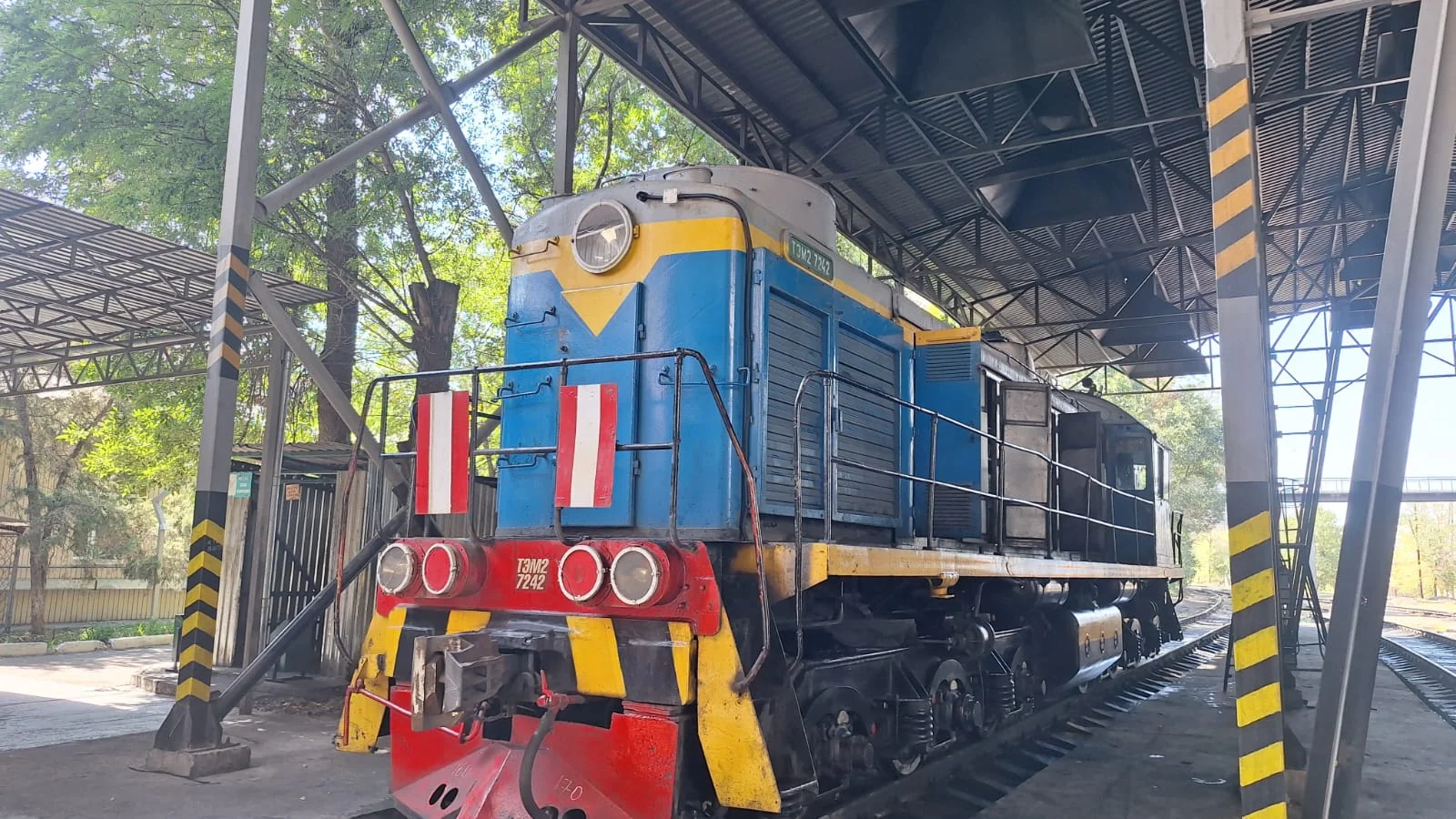
The modernization of the onboard diesel locomotives of the 2TE10M series has been mastered. This year, the modernization of all 12 TEM2 series shunting locomotives is coming to an end to replace the outdated ALSN system with a mechanical speed gauge with an on-board system. The modernization is being carried out on the basis of the Bishkek locomotive depot.
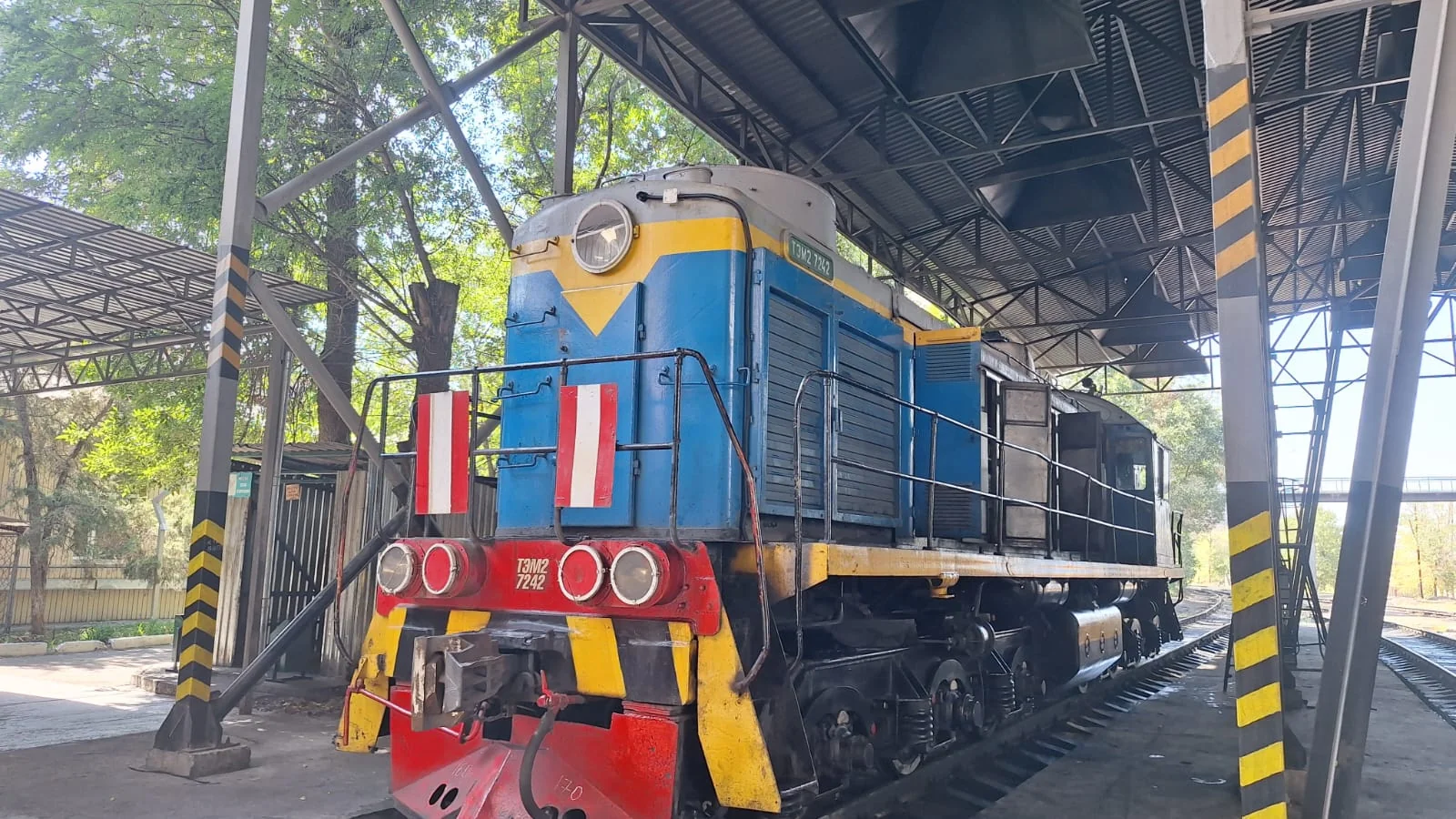
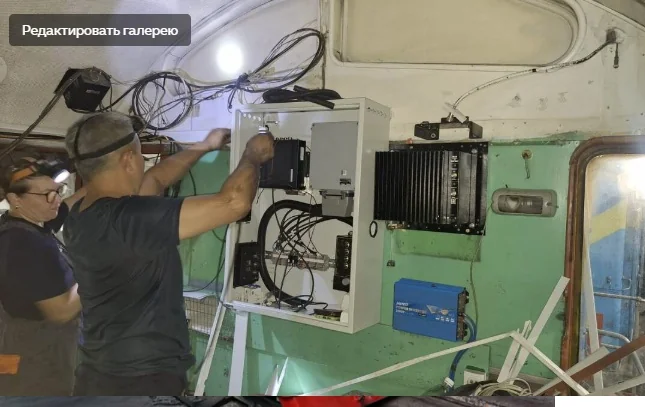
Modernization of the TEM2 diesel locomotive by the BORT system at the Bishkek locomotive depot.
Bonus for machinists: The 2TE10M diesel locomotives with the BORT system now have a side-by-side video view of the train.
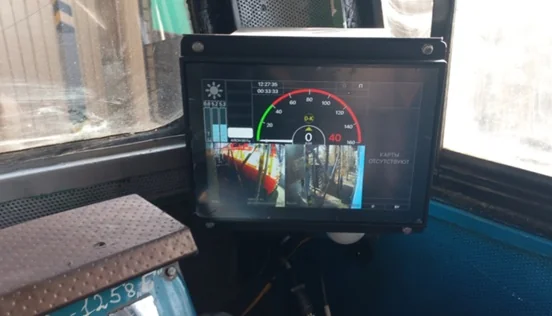
By the way, it was the touchscreen LCD display of the OMI monitor of the BORT system that got into the frame in the famous photo of Sadyr Japarov in the driver's cabin during the opening of the Balykchy — Kochkor line.
Experts at the forum agreed that today not only economies compete, but also institutional systems. As former Prime Minister Akylbek Japarov aptly noted, if in the 20th century the main resources were territory and raw materials, today the main resource is speed. The ability to make quick decisions and localize external shocks gives even the largest states a head start. This trend towards speed is perfectly illustrated by the recent SCO summit, which was held on a huge scale in Bishkek from August 30 to September 1, 2026. In the year of the organization's 25th anniversary, the heads of more than 20 states (from Russia and China to India and Pakistan) discussed new sustainable routes and investments in Kyrgyzstan.
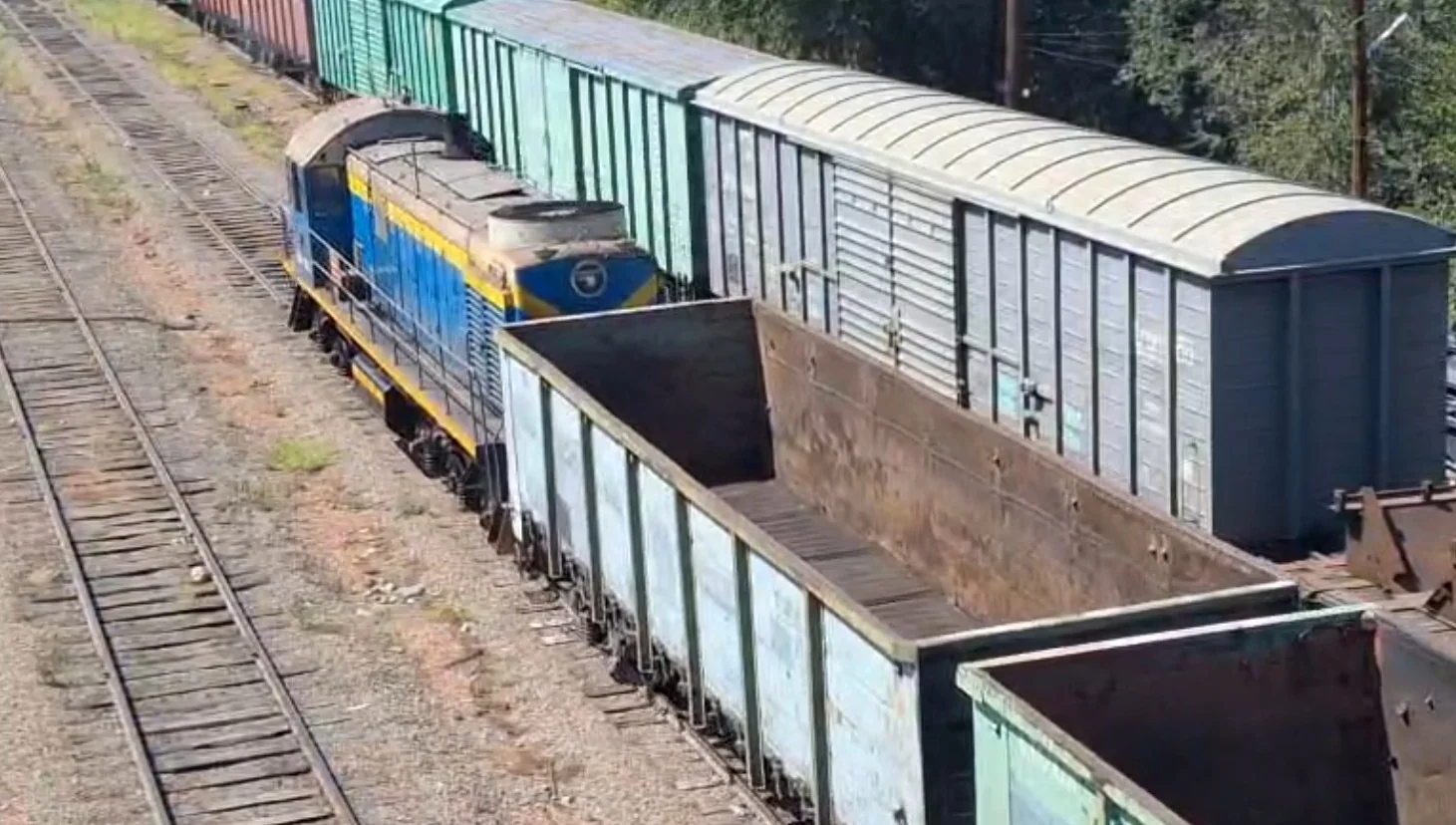
Kyrgyzstan has many opportunities, and in order to monetize its geography, the country needs to turn high-profile declarations from forums into working rails, logistics hubs and smart trains as quickly as possible.